


(With a Focus on Key Risks: Insurance, Fleet Aging, and Fuel Price Volatility)
Road transportation plays a fundamental role in national and global economic development. Growing demand for logistics services, expansion of supply chains, and increased trade flows have made this sector an attractive field for investment. Nevertheless, road transportation investments are exposed to significant risks, including insurance-related costs, aging vehicle fleets, and fuel price volatility. This article examines investment opportunities in the road transportation sector in Iran and globally, while analyzing key risk factors and mitigation strategies. A dedicated section highlights the experience of Hormozgan Fuel Tankers Company as a practical example of risk-aware investment management.
-
Introduction
The road transportation sector is one of the most dynamic components of modern economies due to its flexibility, accessibility, and direct connection to production and consumption markets. In Iran and many other countries, road transport accounts for a major share of freight movement. Recent developments such as e-commerce growth, regional trade corridors, and logistics modernization have increased the sector’s investment appeal. However, profitability and sustainability in this industry depend on effective identification and management of critical risks.
-
Investment Opportunities in Road Transportation
2.1 Growing Demand for Logistics Services
Expansion of domestic trade, international transit, and supply chain integration has significantly increased demand for reliable road transportation services. Investors can benefit from opportunities in specialized freight transport, fuel and hazardous materials logistics, and integrated logistics solutions.
2.2 Digitalization and Technological Innovation
The adoption of fleet management systems, telematics, Internet of Things (IoT), and data analytics has transformed road transportation into a technology-driven industry. Investment in digital infrastructure enables cost optimization, route efficiency, enhanced safety, and improved service quality.
2.3 Regional and International Transit Opportunities
Iran’s strategic geographic position as a regional transit hub connecting Central Asia, the Middle East, and global markets creates unique investment opportunities in cross-border road transportation and corridor-based logistics services.
-
Key Investment Risks in Road Transportation
3.1 Insurance-Related Risks
Road transportation involves a high level of exposure to accidents, cargo damage, environmental incidents, and third-party liabilities. Rising insurance premiums and inadequate coverage for specific risks—especially in fuel and hazardous goods transportation—can negatively affect investment returns. Aligning insurance policies with actual operational risks is therefore essential.ہ
3.2 Fleet Aging and Asset Depreciation
An aging fleet leads to increased maintenance costs, reduced operational efficiency, higher accident rates, and regulatory non-compliance. In many markets, including Iran, fleet renewal requires significant capital investment and access to appropriate financing mechanisms, making fleet aging one of the most critical structural risks.
3.3 Fuel Price Volatility
Fuel costs represent one of the largest operating expenses in road transportation. Price volatility—driven by global energy markets, domestic pricing policies, and supply disruptions—can significantly impact profitability. Investors must account for fuel cost sensitivity in their financial models.
-
Risk Management Strategies for Sustainable Investment
4.1 Advanced Insurance and Risk Transfer Mechanisms
Selecting comprehensive and customized insurance coverage, combined with internal risk management systems, can reduce financial exposure. Data-driven safety programs and incident prevention measures can also contribute to lower insurance premiums over time.
4.2 Fleet Modernization and Technology Investment
Investing in newer vehicles with higher fuel efficiency and safety standards reduces long-term operating costs and operational risks. Technology-enabled maintenance planning and real-time monitoring further enhance asset utilization and lifecycle management.
4.3 Managing Fuel Price Risk
Fuel consumption optimization, route planning, driver behavior monitoring, and contractual cost-adjustment mechanisms are effective tools for mitigating fuel price risk. In some markets, financial hedging instruments may also be considered.
-
The Experience of Hormozgan Fuel Tankers Company
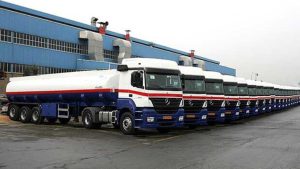
Hormozgan Fuel Tankers Company has adopted a strategic and risk-aware approach to investment in road transportation, particularly in fuel logistics. By prioritizing fleet modernization, enhancing insurance coverage, and leveraging fleet management technologies, the company has strengthened its operational resilience.
Through systematic analysis of fuel consumption and maintenance data, Hormozgan Fuel Tankers has implemented targeted fleet renewal programs and improved cost control. The company’s emphasis on aligning insurance coverage with operational realities has further reduced financial and operational risks, positioning it as a reliable and sustainable player in the sector.
-
Conclusion
The road transportation sector offers substantial investment opportunities in Iran and globally, driven by growing logistics demand, technological advancement, and regional connectivity. However, insurance costs, fleet aging, and fuel price volatility remain critical risk factors that directly affect investment performance. Successful investors are those who integrate risk management, technology adoption, and strategic planning into their investment decisions. The experience of Hormozgan Fuel Tankers Company demonstrates how a structured and data-informed approach can transform risk into long-term value creation.
Keywords
Road Transportation Investment, Logistics Sector, Insurance Risk, Fleet Aging, Fuel Price Volatility, Risk Management, Hormozgan Fuel Tankers Company
References
1.Christopher, M. (2016). Logistics and Supply Chain Management. Pearson Education.
2.Rodrigue, J.-P. (2020). The Geography of Transport Systems. Routledge.
3.Organisation for Economic Co-operation and Development (OECD). (2020). Managing Risks in the Transport of Dangerous Goods.
4.International Road Transport Union (IRU). (2019). Global Road Transport Report.
5.International Transport Forum (ITF). (2018). Transport Investment and Economic Performance.