From Supply Chain Disruptions to Fuel Crises
The road transport industry in Iran, as one of the most critical arteries of the national economy, is continuously exposed to diverse and often unpredictable crises. These range from fuel supply disruptions, road blockages, social unrest and strikes, to natural disasters and policy shocks. In such an environment, the concept of organizational resilience has become one of the most essential determinants of survival, sustainability, and competitive advantage for transport companies.
Resilience is not merely the ability to endure a crisis; rather, it encompasses the capacity to anticipate, prepare for, respond effectively to, and recover rapidly from disruptions. This article provides an analytical examination of resilience in Iranian road transport companies, reviews international resilience models, and explores practical approaches for their localization within Iran’s operational and regulatory context.
Resilience in the Transport Industry: Definition and Strategic Importance
In crisis management literature, organizational resilience is defined as an organization’s ability to absorb shocks, adapt to changing conditions, and maintain critical operations. In the road transport sector, resilience is directly linked to:
Continuity of operations
Security of essential goods supply
Fleet and resource management
Trust of customers and regulatory authorities
Companies lacking resilience often suffer severe operational disruptions, financial losses, and long-term reputational damage at the onset of national crises.
Crisis Response Capacity of Iranian Transport Companies
- Fuel Crises
Fuel shortages and supply interruptions represent one of the most frequent threats to Iranian transport companies. Insufficient fuel reserve management, absence of alternative supply scenarios, and high dependency on centralized fuel distribution systems significantly weaken organizational resilience.
- Road Blockages and Infrastructure Disruptions
Severe weather conditions, floods, landslides, and major road accidents frequently lead to the closure of key transport corridors. Companies without alternative routing plans, geographic risk assessments, and cross-unit coordination mechanisms are disproportionately affected.
- Social Unrest and Labor Strikes
During periods of strikes or social instability, transport companies face compounded challenges related to workforce availability, cargo security, and operational continuity. Weak internal communication and the lack of rapid decision-making protocols often exacerbate these crises.
- Natural Disasters
Earthquakes, floods, and storms require immediate response, operational flexibility, and coordination with emergency authorities. In Iran, many transport companies still lack a formal Business Continuity Plan (BCP), leaving them highly vulnerable during such events.
International Resilience Models and Their Localization for Iran
- Supply Chain Resilience Model
This model emphasizes supplier diversification, route flexibility, strategic inventory buffers, and network collaboration. Localizing this approach in Iran requires:
Reducing dependency on single routes or suppliers
Strengthening cooperation among transport companies
Enhancing transparency and accessibility of operational data
- Enterprise Risk Management (ERM)–Based Resilience
This model focuses on systematic risk identification, assessment, and continuous monitoring. Its successful implementation in Iranian transport companies depends on managerial commitment, formal risk governance structures, and organizational risk awareness.
- Operational Resilience Model
Operational resilience prioritizes maintaining critical functions under crisis conditions. Key pillars include workforce training, delegation of authority, process documentation, and operational redundancy.
Designing Rapid Response Protocols for Transport Companies
To enhance resilience, transport companies must establish structured rapid response protocols, which should include:
Formation of a crisis management team with clearly defined roles
Scenario planning for various crisis types
Predefined decision-making authority levels
Robust internal and external communication channels
Regular drills, evaluations, and protocol updates
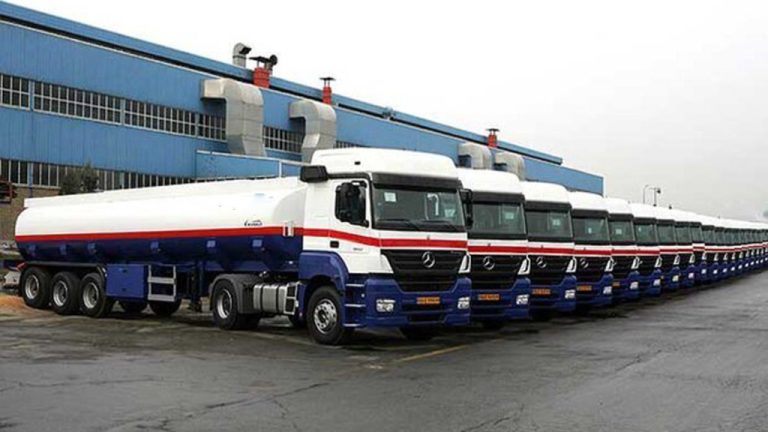
The Resilience-Oriented Approach of Hormozgan Oil Tankers Company
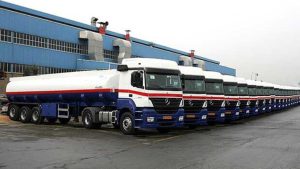
Given the sensitive nature of fuel and petroleum product transportation, Hormozgan Oil Tankers Company considers resilience not as an option, but as a strategic necessity. Through a structured and forward-looking approach, the company has focused on:
Diversification of transport routes and contingency planning
Continuous driver training for emergency and crisis conditions
Strengthening coordination among operations, finance, and support units
Special emphasis on safety, HSE standards, and fleet operational readiness
By adopting a systematic perspective on risk management and operational continuity, Hormozgan Oil Tankers Company has positioned itself among the forward-thinking firms in the field of safe, reliable, and sustainable fuel transportation.
Conclusion
Resilience has emerged as a defining indicator of organizational maturity within the transport industry. Companies that successfully institutionalize anticipation, preparedness, and intelligent response mechanisms will not only survive crises but will also leverage them as opportunities to strengthen their competitive position. The future of Iran’s road transport sector belongs to resilient organizations.
Keywords
Organizational Resilience, Transport Resilience, Crisis Management, Supply Chain Disruption, Fuel Crisis, Business Continuity, Iranian Road Transport, Risk Management, Hormozgan Oil Tankers Company
References
1.ISO 22301 – Business Continuity Management Systems
2.World Economic Forum – Building Resilient Supply Chains
3.OECD – Resilience in Transport Systems
4.Christopher, M. & Peck, H. (2004). Building the Resilient Supply Chain
5.Sheffi, Y. (2005). The Resilient Enterprise